June 18th was the longest day of the year.
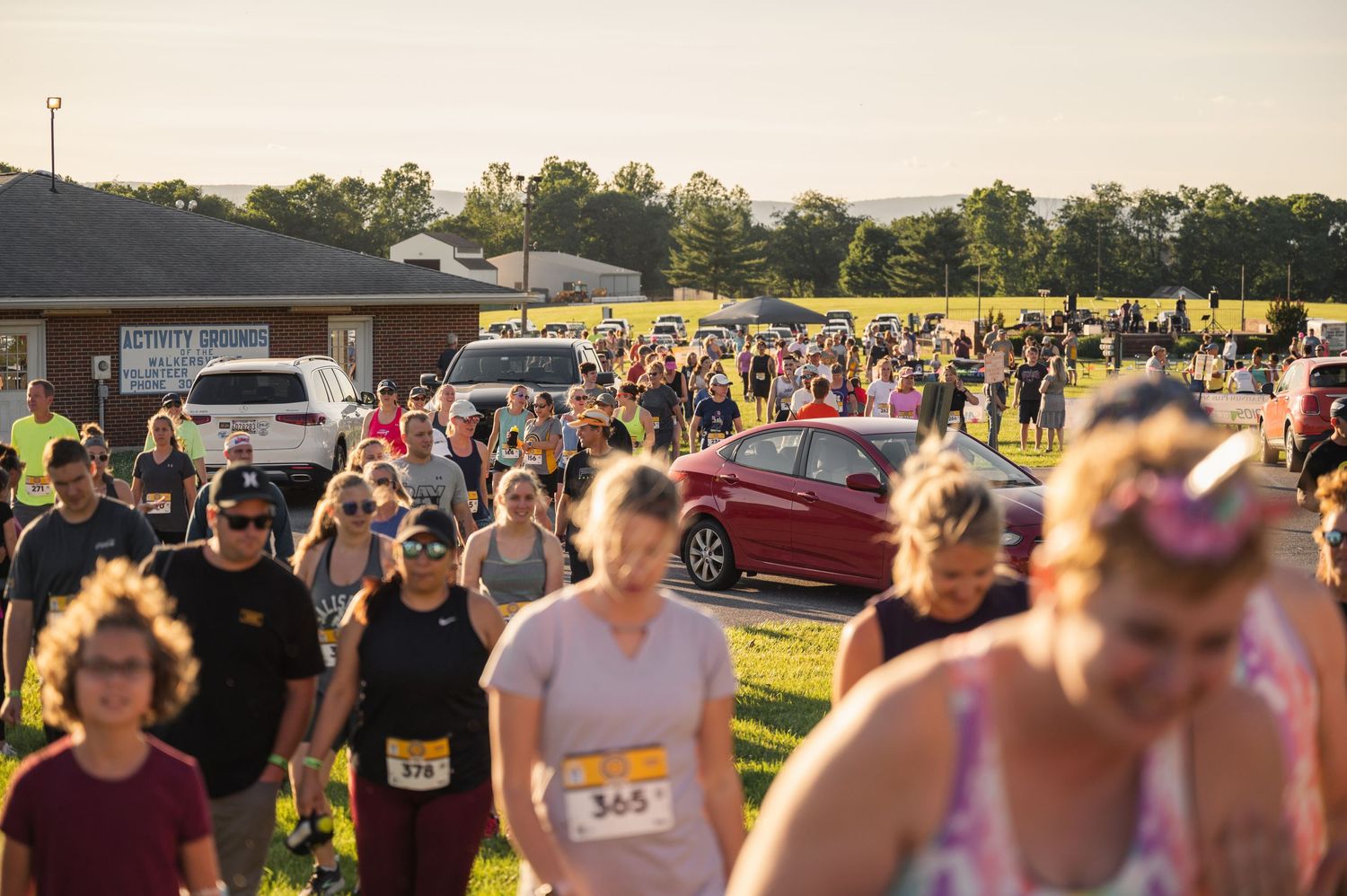
Well, actually its June 21st, but can’t hold a race during the week. So, we are going to pretend it is actually the 18th. In fact, there is only a 2-minute difference between the sunsets on June 18th and June 21st (8:39 vs 8:41). So close enough. Where was I? Oh yes. It was the longest day (kind of) of the year. I had the pleasure of working with the Frederick Steeplechasers Running club at the Frederick Summer Solstice 8k. The 8k consistent of 2 twilight races followed by live music, BBQ and beer. I was the main venue photographer responsible for capturing the pre-race activity, start/finish line activity and after party.
The Set Up
I brought my Nikon Z6II with my 24-70 2.8 S and 20mm 1.8. I also had my DJI Mini 2 and an SB-800 flash for the evening. My 24-70 did a bang up job during my recent Alive @ Five shoot. I was eager to see how it held up shooting action and in a more open environment.
The Shoot
I originally had planned for the evening portion of the shoot to be the most challenging. As any photographer knows, lowlight is a challenge to work with. Using a flash or other lighting source can help alleviate the need for low shutter speeds and high ISO. In this type of situation, I typically will bounce my SB-800 off a wall or ceiling. I am not a fan of the harsh shadows and light brought on when pointing a flash directly at a subject. Unfortunately, I did not have the luxury of white walls or ceilings outside. My plan was to use my 20mm 1.8 when light became an issue along with the trust in my Nikon Z6II’s lowlight ability. But, as I quickly realized when arriving at the event around 630pm, my biggest concern was not going to be the low light of the evening, but rather the harsh sunlight of the late afternoon. There was not a cloud in the sky and, with it being the Summer Solstice (kind of), the sun was still high enough in the sky to cause overblown highlights. In this situation, subject position is key. I typically will position a subject with the sun behind them, compose, meter for their face and then adjust exposure compensation as needed. Although the background will be blown out, the subjects will be well exposed. I will sometimes position a subject with the sun in front of them. This is usually when I don’t have any control over positioning, the background is noisy or I am in a hurry. It helps to have people wearing sunglasses to avoid squinty eyes. Then there is always the in between way, which is sun to the right or left. This way is hit or miss, as it can create harsh shadows on the face. In event photography, it is important to get a wide variety of shots, with the sun in different positions. This way, you have options when culling and delivering photos to the customer. Also, as a photographer, don’t be afraid to ask your subjects to move around or position themselves in a way that will be advantageous to you. After all, no one wants a bad photo of themselves.
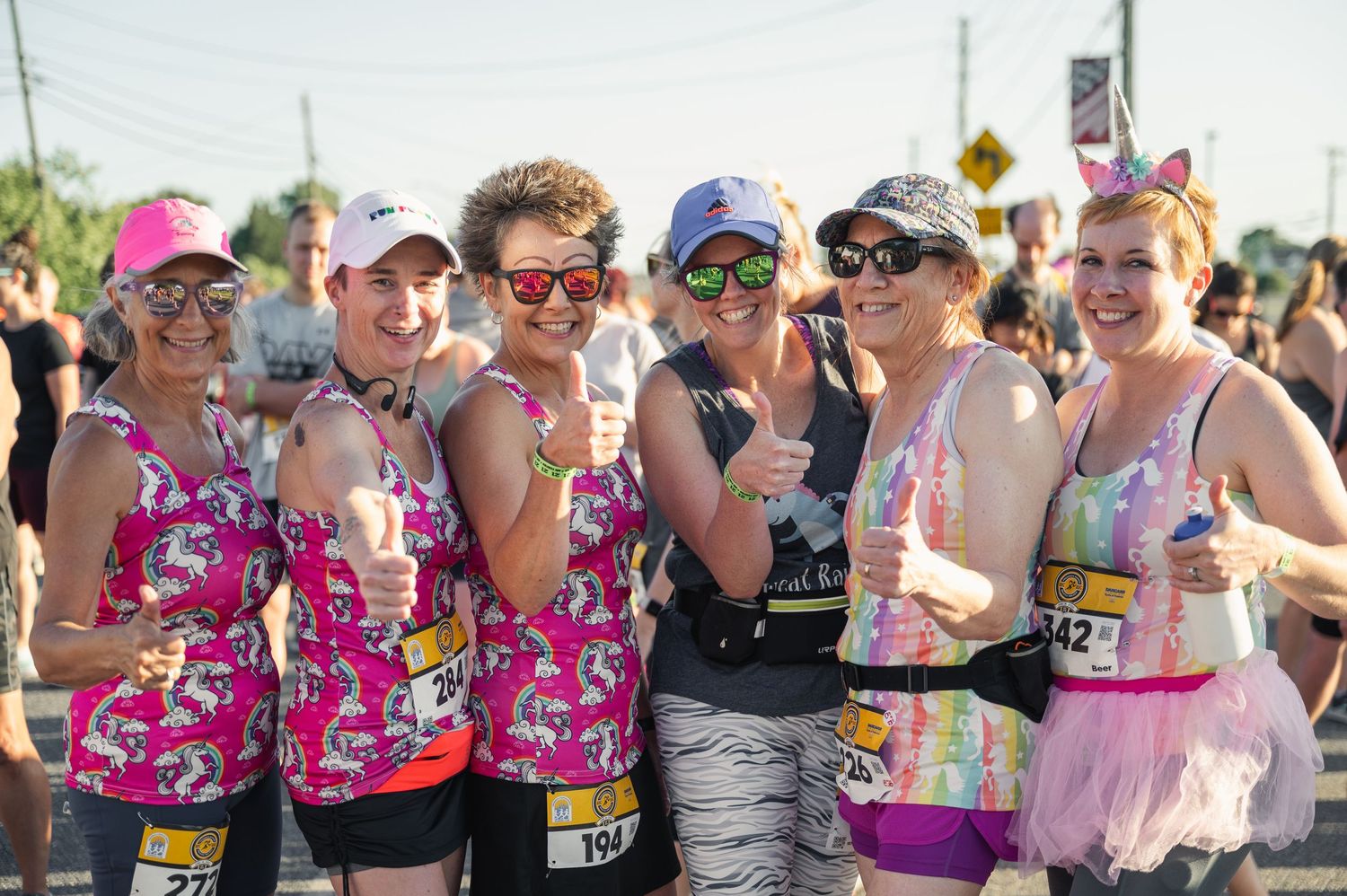
Group of runners with the sun to the right. This positioning gives the image a good exposure without overblown highlights.
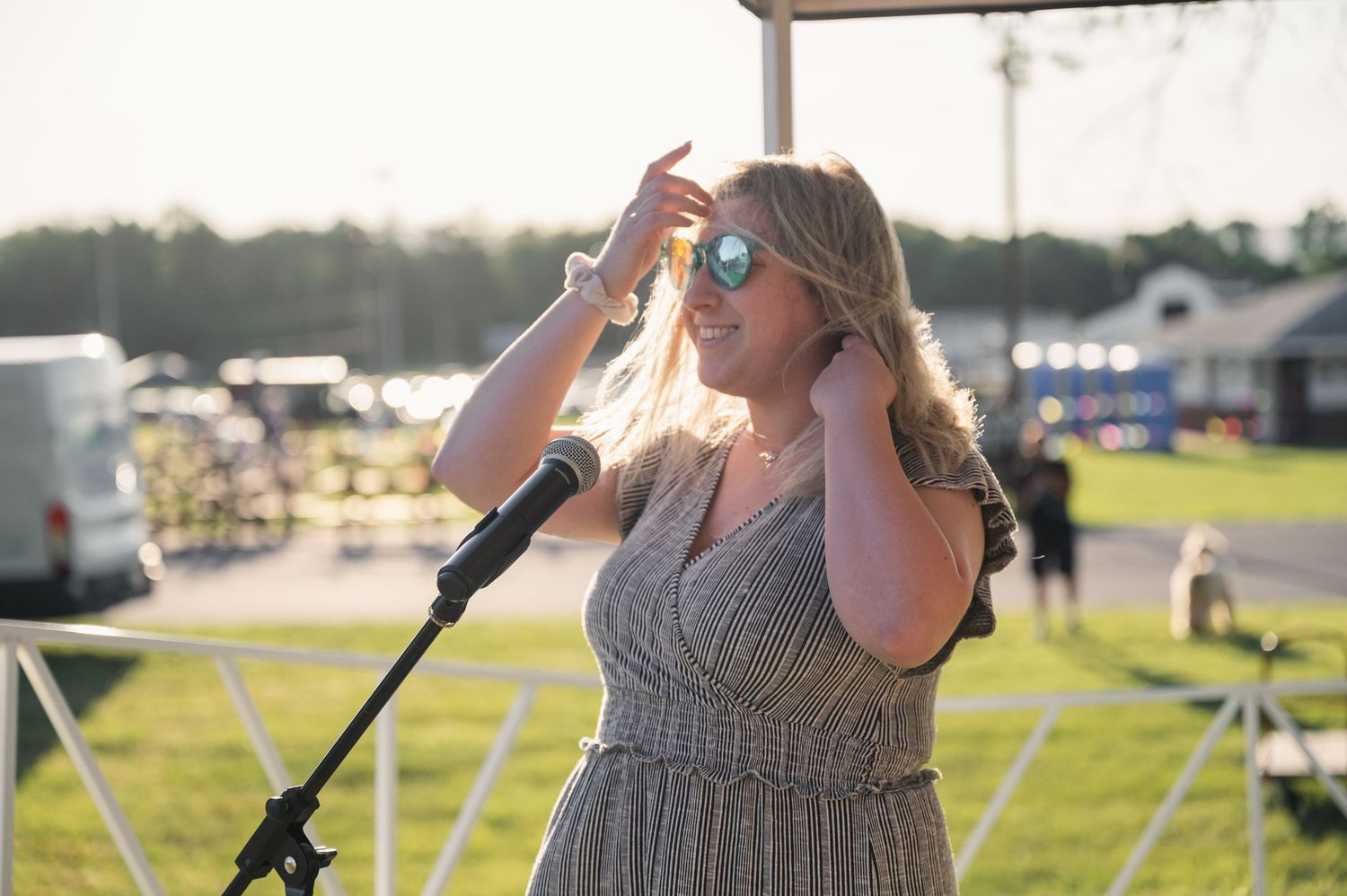
Singer singing the National Anthem. The sun is positioned directly behind her, giving the image a "dreamy" quality.
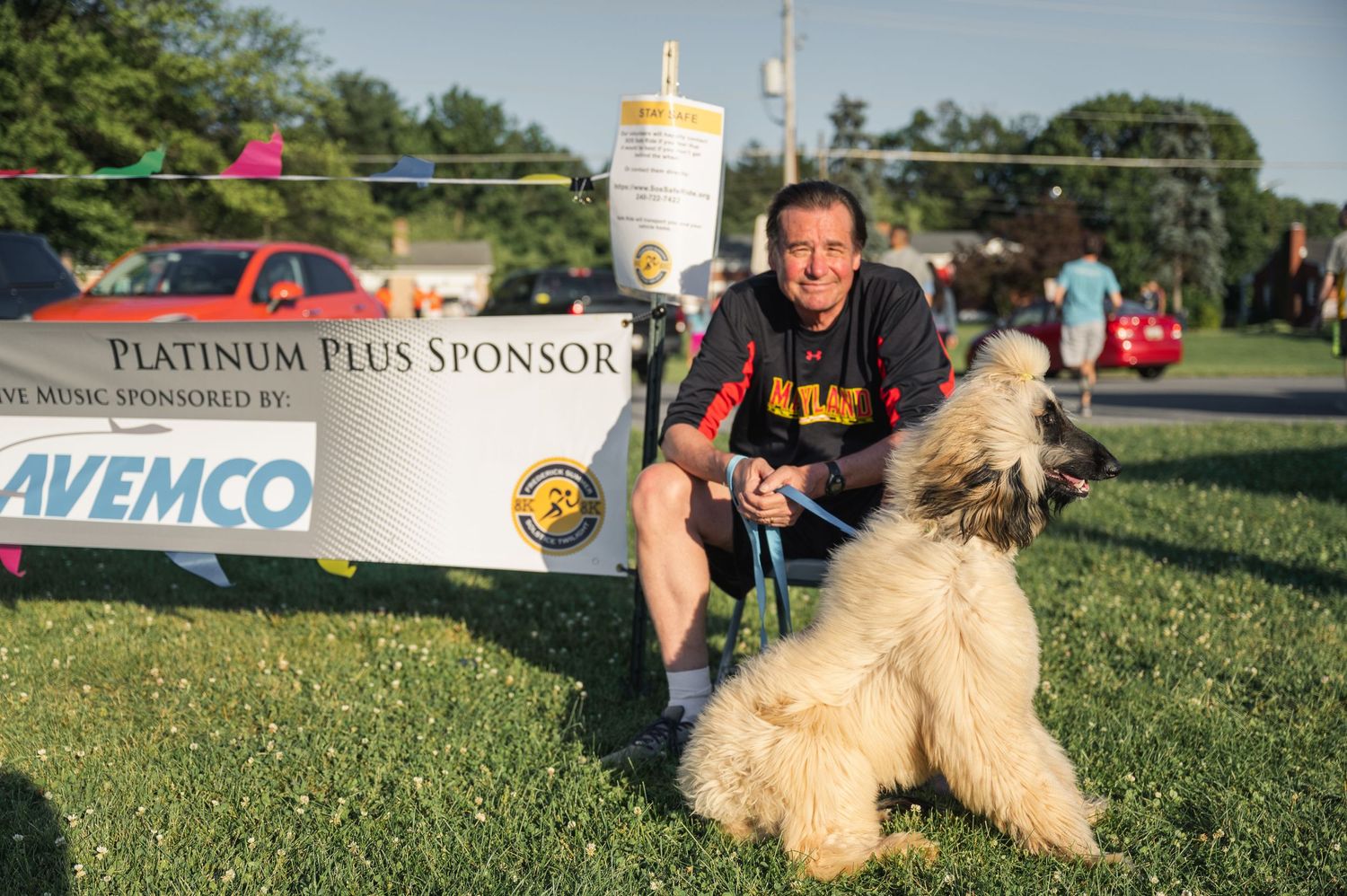
Direct Sunlight. Doesn't seem to bother the pooch too much.
I started off the shoot by assessing the venue area. I try and take note of main focal areas, or areas in which people will most likely congregate. At this event, there was the race check in area, vendor area, music stage, and start/finish line. I hovered around the check in area and captured some of the volunteers and race participants checking in. Then, once more people started to arrive, I began walking around the main staging area asking folks for pictures. I also made note of sponsors and larger groups of runners who were associated with clubs or other organizations. One group I spoke with was Athletes Serving Athletes. This is an organization who helps athletes with limited or reduced mobility participate in running events. I captured some images of their team setting up and preparing for the first heat of the race.
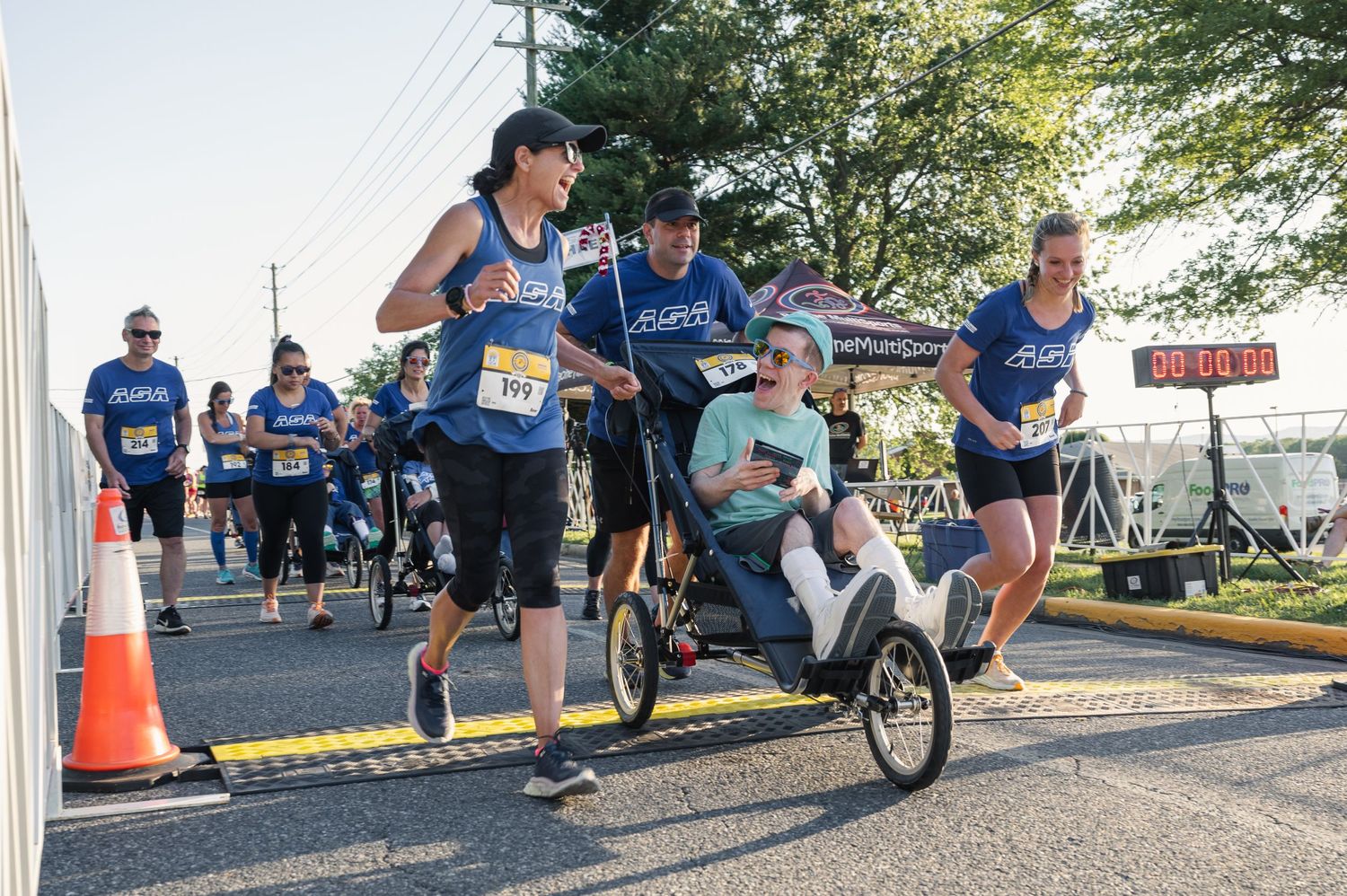
ASA athletes on the go!
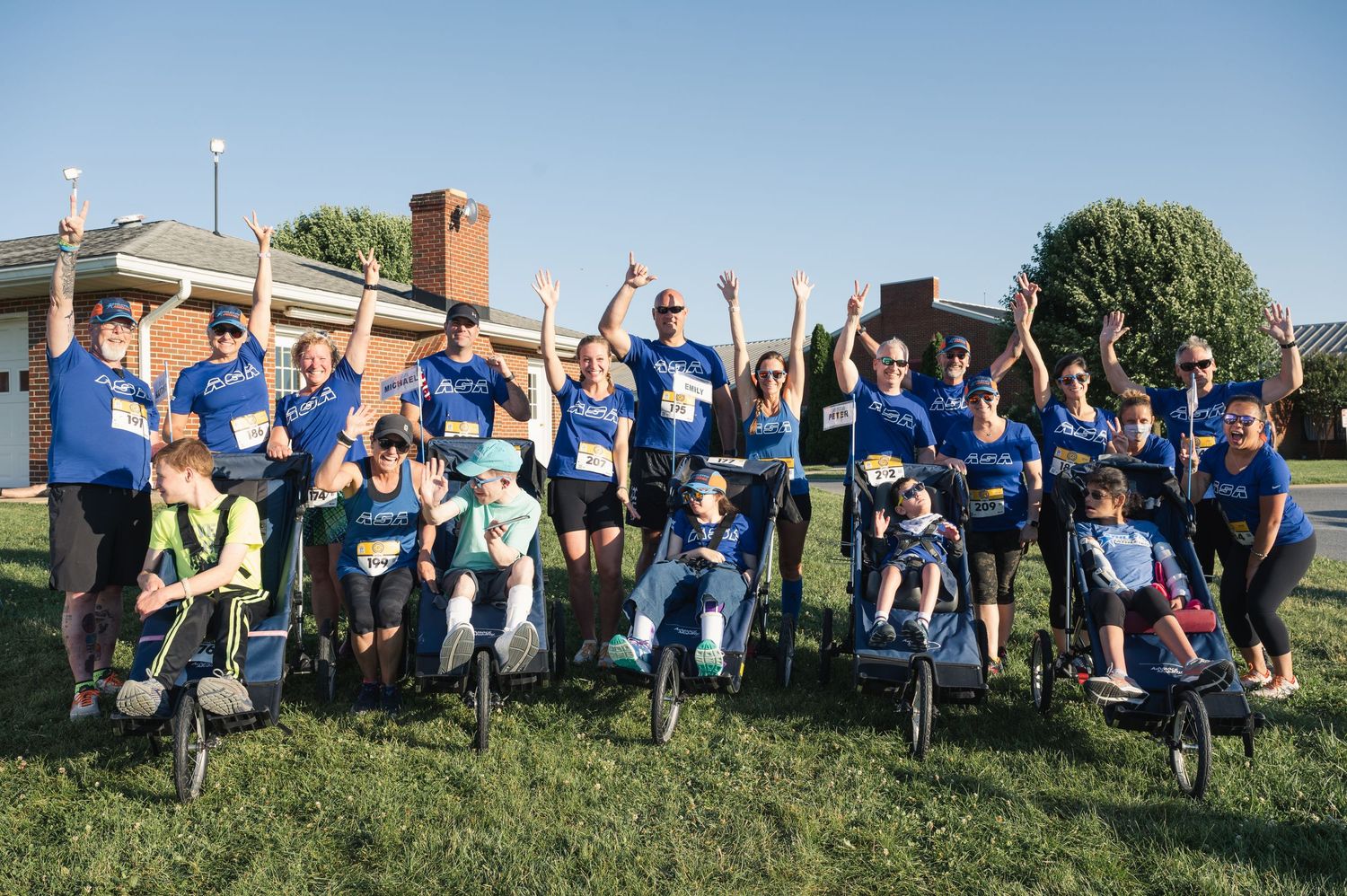
ASA group shot.
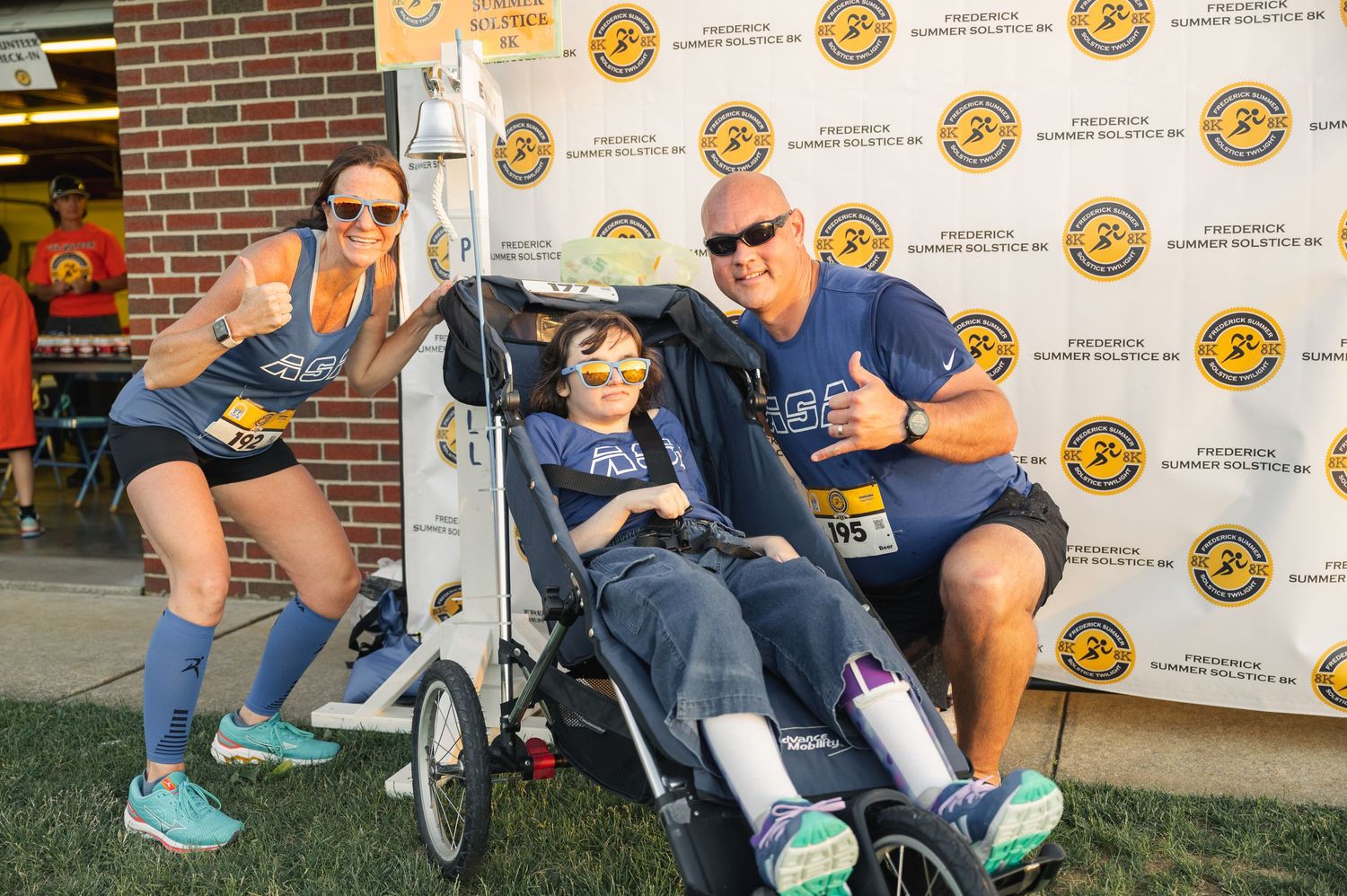
Post-race PR bell.
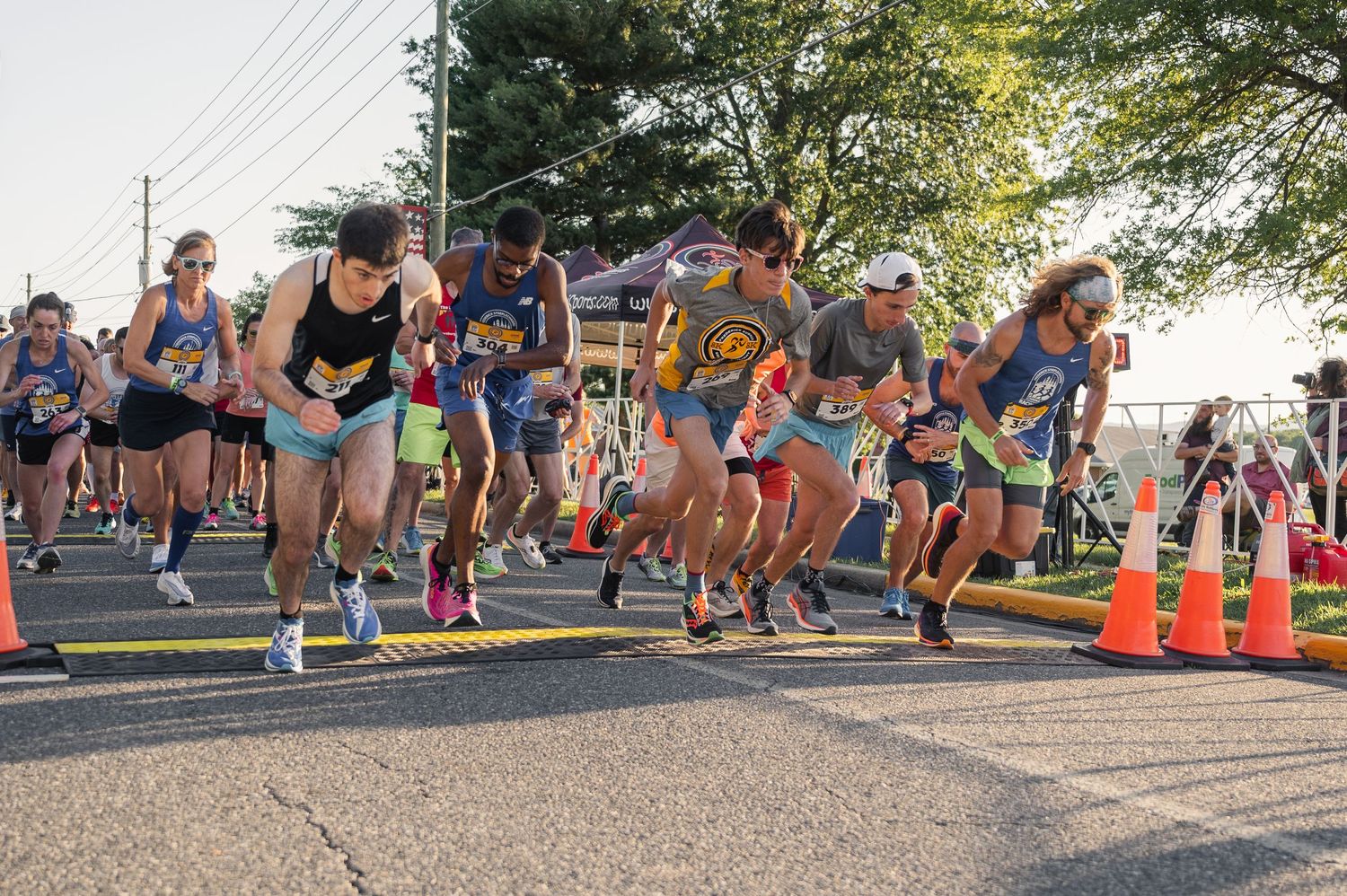
I spent about a hour moving around between different areas, speaking to different runners and volunteers and capturing photos. I used the full range of my 24-70, both in terms of focal and aperture range, to capture different types of images. Right before the first heat, I wandered up to the starting line and captured some photos of the ASA team lining up for the race, the national anthem and several volunteers setting up for the post-race concessions. One of my favorite things to photograph at racing events is runners in action. I positioned my self at the front of the starting line and fired away at the runners taking flight. After both heats had started, I wondered back around the venue to see the band and food/beer vendors setting up. I did this for about 30mins and then waited at the finish line to capture the first few runners crossing the finish line. The ideal lens, in my opinion, for sports photography where you are not too far from the action is the 70-200mm. The 24-70 preformed well, but I miss the reach and compression I get with longer focal lengths. About a quarter of the runners had crossed the finish line, when I decided to make my way back to my car to grab my drone, along with a shot of espresso.
To drone or not to drone
Viewers of these race photos may notice, if they look hard enough, that most people with long hair have it blowing aggressively in their faces. The weather was warm and the sun was bright, but the wind was anything but cooperative. This is not an ideal situation for flying a drone, especially one that takes pride in being “under 250 grams”. I was determined to get a venue shot from above that showcased the event grounds along with crowds of people. I like using my drone to put the area of an event in perspective. It helps a viewer understand the complete backdrop for a story. This is why a lot of fiction books or history text books include maps in the forward or throughout the story. I got my drone in the air and began circling the events grounds. No sooner did I get it in the air, did I realize how windy it truly was. The DJI app on my phone kept suggesting that I land the drone “immediately”. The noise from the drone itself also indicated that it was not having a good time flying in the current conditions. But, I brought the darn thing with me and I was not leaving without a shot. I circled around the venue and shoot a few shots from different angles. Despite my willingness to get a acceptable shot, I had missed my window of golden hour light and was too early for the large crowds of people to return from the starting line. In the end , I was glad I tried, but I think I missed the mark for a good shot.
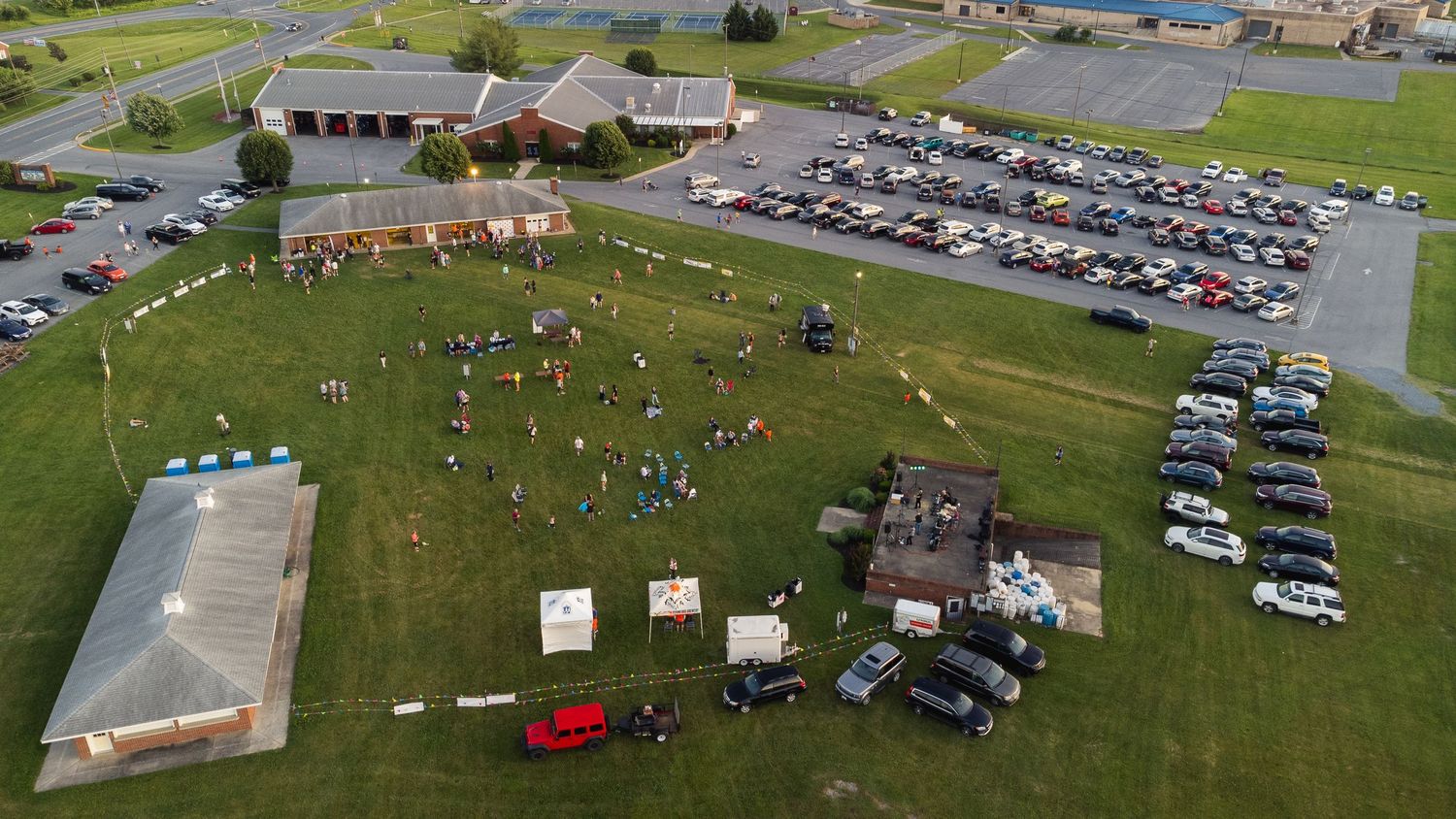
One of my drone shots from the event. Would have been better with more people in the center. Can you see me on the far right by my car?
Closing it out.
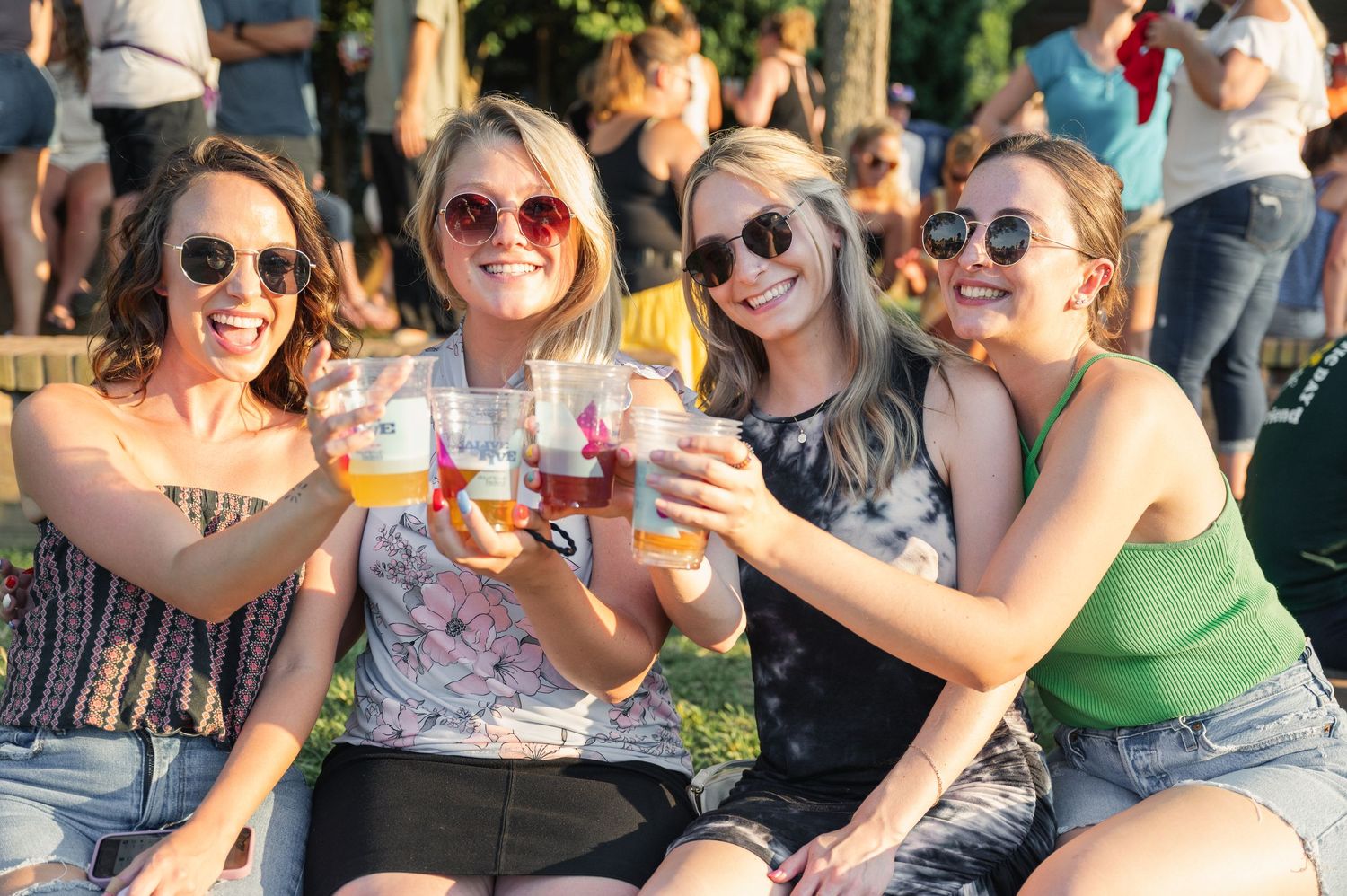
After my drone debacle, I moved back to the finish line and captured the remainder of runners finishing the race. The sun was now down and most of the crowds had moved back to the venue to watch live music and enjoy some Flying Dog beer and BBQ. I swapped out my 24-70 for a 20mm 1.8. I took a few shots and quickly realized I needed to go back to the 24-70. The 20mm is great, but I didn’t like the “messiness” of a wide-angle lens. I prefer to isolate subjects when photographing events. A wide-angle lens, in my opinion, will capture too much of a scene. Now, this is not me saying that that is a bad thing in some situations, rather it is a matter of style of the photographer that dictates what is too be captured. Basically, I am admitting I don’t know how to use a wide-angle lens well. Womp-womp. Anyways, I switched back to my 24-70 and put on my flash. Obviously, as I have stated previously, there was no opportunity to bounce flash. I was instead stuck with pointing the flash directly at my subjects. I did this for a few shots before I decided to spare everyone the loss of vision from being blinded by my speedlight. I instead circled around the main area everyone was sitting in and took a few shots of runners watching the band play.
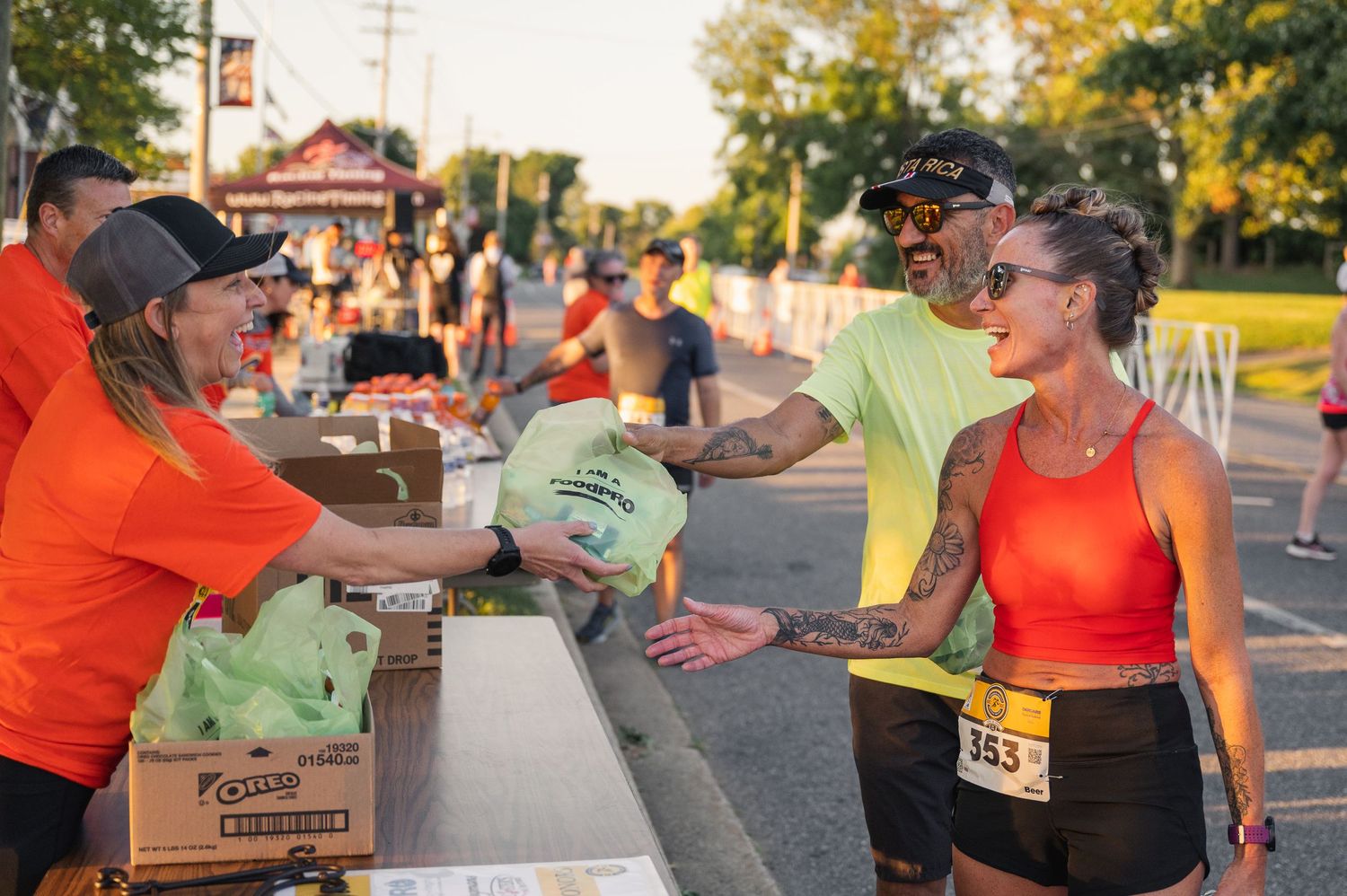
Volunteers handing out concessions at the end of the race.
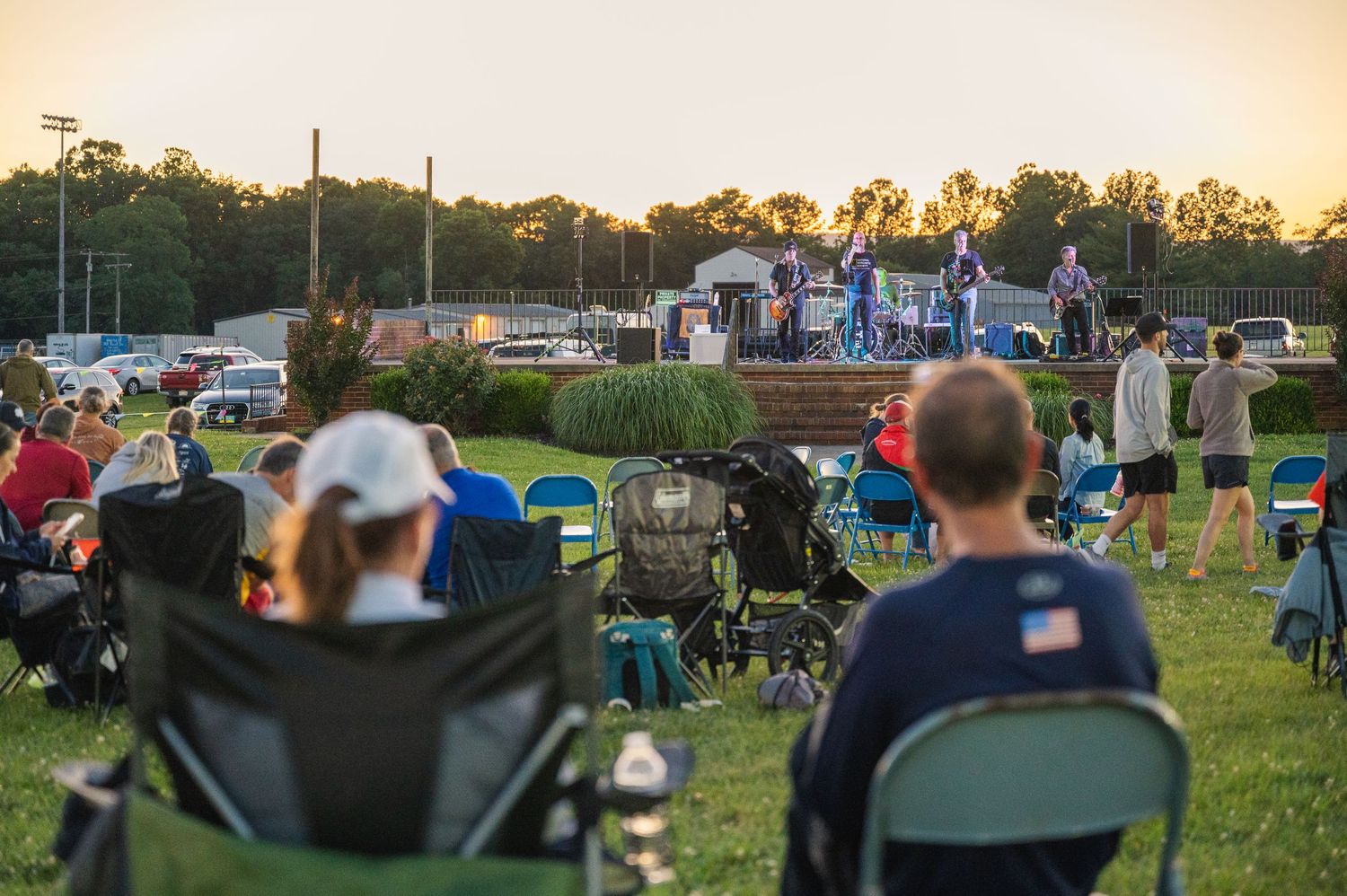
Post-race music/party.
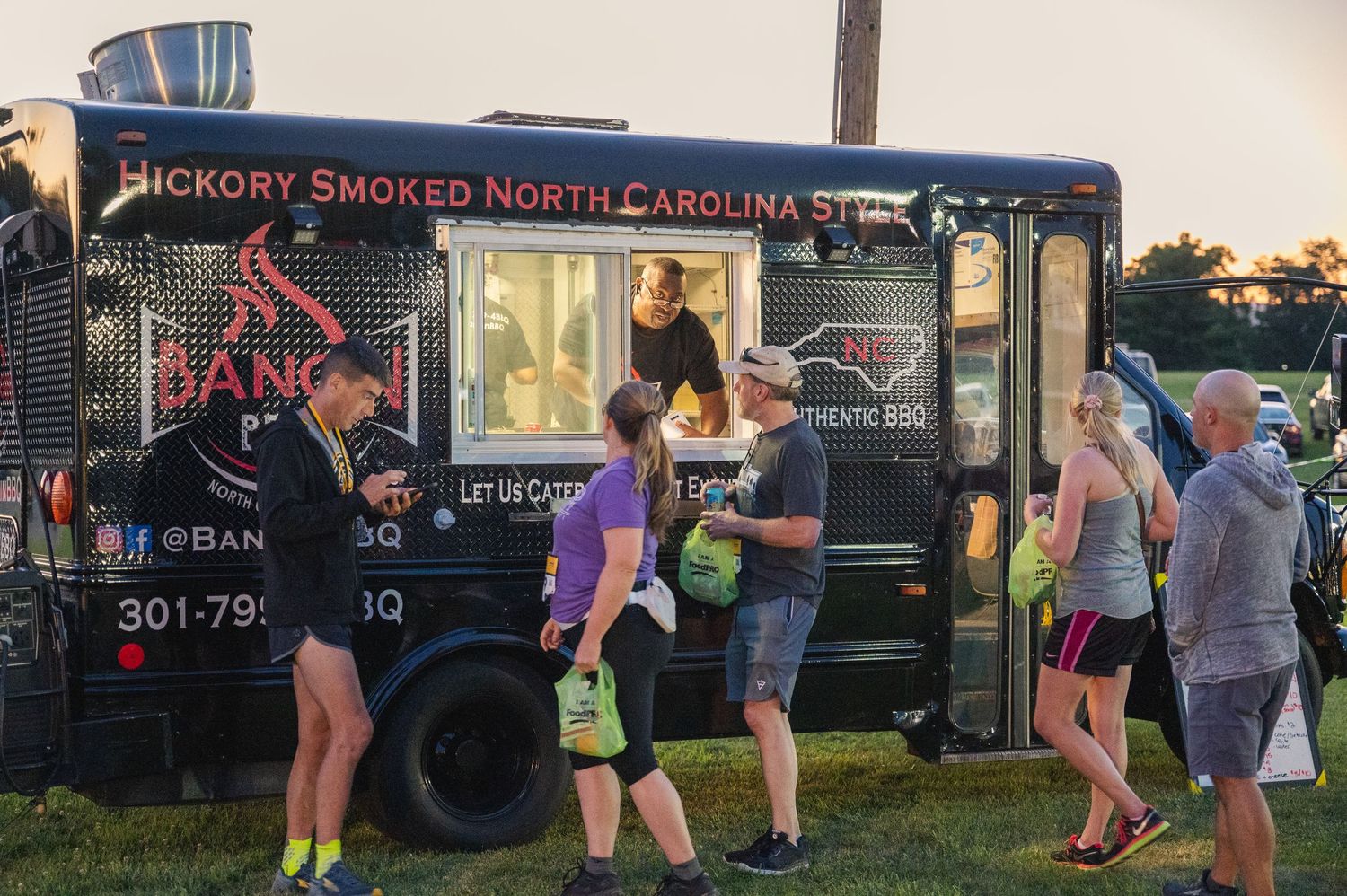
BBQ vendor slinging some Q.
Editing
Editing was pretty straight forward. My workflow has me first cull all of my images. Then I went through and applied auto settings to all the images. The auto settings function is a touchy subject in the photo community. I sometimes feel like it is cheating or lazy. However, when you have to edit 200+ photos, it defiantly makes things easier. Afterwards, I will go through and warm color grade, desaturate the greens/blues, add a variation of the S curve, adjust exposure and finally crop/transform as needed.
Lessons learned
I noticed in several images I missed focus. My Z6II was set to Wide Area AF with Face/Eye detection on. I notice on my camera that in images with multiple people or if I was too far away, the camera did not pick up focus correctly. I think this is more of an error on my part. Also, I did not adjust my shutter speed when photographing the runners taking off from the starting line. In some photos, there is slight motion blur, in others it is more obvious. I was shooting in Aperture priority, so the camera was making decisions on other exposure values. Next time I will need to consciously think about what settings to adjust depending on the situation. Finally, I was too aggressive in my use of 2.8 aperture. Creating that bokehy background is nice when shooting portraits, isolating a subject or limiting the view of a background, but it does cause other issues when applied incorrectly. Some of my shorts where I should have used a lower aperture are not as sharp or in focus as I would like them to have been.
Overall, I am pleased with how my images turned out. The Z6II and 24-70 2.8 S handled the event very well. I have some good takeaways on how to better handle my camera in different lighting situations. I am looking forward to this event again next year!